Topic

Fire safety

Fire safety standards are very important for all industries. Our fire standards provide valuable guidance in areas from building design to engineering. They ensure that your organization is in compliance with fire safety regulations, managing fire risk, and helping to save lives through best practices.

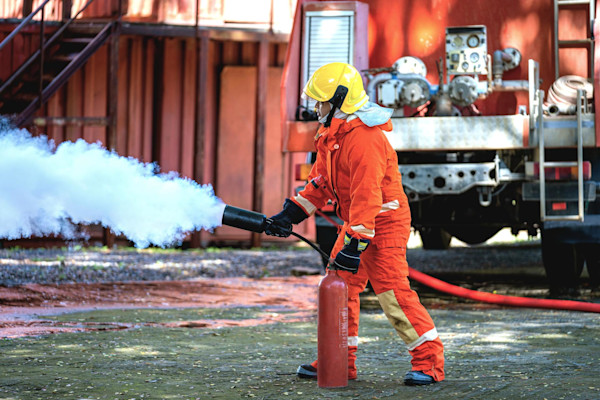
Championing fire safety with standards

Learn how standards help organizations protect people and ensure compliance

 Meet the standards reshaping fire safety in the UK
Article

Meet the standards reshaping fire safety in the UK

In the wake of increased scrutiny and rising expectations, fire safety in the UK is undergoing a significant transformation. The latest revisions to BS 9991 and BS 5839-1, alongside the introduction of BS 8670-1, reflect a deeper cultural shift. One that places greater emphasis on competency, accountability, and performance across the built environment. A new era of fire safety awareness No one in the fire safety profession can ignore the profound changes sweeping through the UK industry. The tragic consequences of fire events in recent years have sparked a renewed call to action for greater vigilance, tighter regulation, and a fire safety culture that extends far beyond compliance. Today, the spotlight is on the entire lifecycle of a building: from design and construction to installation, commissioning, and ongoing maintenance. Every stakeholder - be it a designer, installer, or building owner - is now expected to adopt a proactive approach and demonstrate a deep understanding of modern fire safety practices. Explore how standards are supporting all areas of fire management by visiting our Fire Topic Page. BS 9991: Robust framework for residential fire safety The newly revised BS 9991:2024 Fire safety in the design, management and use of residential buildings - Code of practice sets the tone for this new fire safety landscape. As the UK’s key standard for fire safety in residential buildings, BS 9991 now reflects: Expanded coverage to include residential care homes, addressing the complex needs of vulnerable occupants. Clarified guidance for the use of mass timber in structural elements, replacing outdated restrictions with evidence-based recommendations. Revised approaches for single-stair buildings, sprinklers, fire doors (now classified using European standards), smoke control, and evacuation lifts. Updated recommendations on ancillary spaces, kitchen safety, and external wall systems. Together, these changes ensure BS 9991 offers a future-proofed, comprehensive, and practical guide to designing safer living environments. As of June 2025, BS 9991:2024 now includes a corrigendum to take into account feedback received since publication. Learn more about this standard by reading our article BS 9991: A comprehensive update to the UK’s essential fire safety standard. BS 5839-1: Supporting safe occupancy in non-domestic premises Where BS 9991 sets the benchmark for residential buildings, BS 5839-1:2025 Fire detection and fire alarm systems for buildings - Part 1: Design, installation, commissioning and maintenance of systems in non-domestic premises - Code of practice reinforces fire protection in non-domestic premises. The updated standard aligns with modern fire detection technologies, streamlines system design, and mirrors real-world industry practices. Key updates include: A complete restructuring and clause renumbering to improve usability. A new Section 7 addressing system extensions and modifications. Clarified siting's of manual call points and requirements for recording all variations. Stronger guidance on automatic detection in sleeping areas. Updated battery calculations and service visit intervals. Whether you’re responsible for a small office or a large commercial complex, BS 5839-1:2025 delivers essential tools to safeguard lives and properties. Discover more about this standard by reading our article A guide to the changes in fire alarm system standard BS 5839-1. BS 8670-1: Establishing competency across the industry Regulatory evolution is not just about what we build. It’s about who builds it and how well they understand their responsibilities. That’s where BS 8670-1:2024 Competence frameworks for building safety - Core criteria - Code of practice comes in. BS 8670-1 marks the beginning of a new suite of standards aimed at establishing consistent and measurable criteria for fire safety competency. Initial frameworks already cover key duty holders such as: Main contractors; Building owners; and Lead designers. Further guidance is in development for fire risk assessors, installers, and maintainers of active fire systems, placing a clear emphasis on verified knowledge, relevant work experience, and a fire-aware mindset. The cultural shift: From compliance to competency Whether you're designing residential spaces, managing commercial fire alarm systems, or training your team on fire safety roles, these new and revised standards give you the structure to succeed. What unites these standards is more than their technical content. Together, they signal a shift in how fire safety is approached across the industry: From box-ticking to best practice From minimum standards to maximum resilience; and From isolated responsibilities to collaborative, system-wide thinking The call for a new fire safety culture is clear, and it starts with education, competency, and the adoption of industry standards. Be part of the change and get yours today. Discover BSI Knowledge Want to access and manage the standards you need all in one place? With a BSI Knowledge subscription, you will have the flexibility and visibility to manage the essential standards you need. Build your own custom collection of standards or opt for access to our pre-built modules and keep up to date with any relevant changes to your standards strategy. Request to learn more.Read more
BS 9991: A comprehensive update to the UK’s essential fire safety standard
Article

BS 9991: A comprehensive update to the UK’s essential fire safety standard

The latest revision of BS 9991 - the UK's key fire safety standard for residential buildings - represents a critical advancement in fire safety regulation.  As fire safety concerns have evolved, the new edition incorporates essential updates designed to enhance safety in the design, management, and use of residential buildings.  Here, we’ll explore the significance of the upcoming BS 9991:2024 Fire safety in the design, management and use of residential buildings - Code of practice, the key changes being introduced, and why adopting this standard is vital for anyone involved in residential building safety. Get your copy of the standard here. What is BS 9991? BS 9991 is a code of practice standard that offers comprehensive guidance and recommendations for ensuring fire safety in residential buildings. First introduced as a British Standard in 2011, it serves as a primary reference for achieving fire protection measures, safeguarding lives, and minimizing property damage in the event of a fire. It covers a wide range of building types, from apartment blocks and flats to residential care homes. The objective of the standard is twofold: To ensure an adequate standard of life safety in the event of a fire, focusing on occupant safety, firefighter safety, and the protection of emergency services. To offer property protection, safeguarding not only the building in question but also adjacent properties, businesses, and the environment. BS 9991 bridges the gaps between different regulatory frameworks in the UK, providing a unified approach to fire safety that can be applied nationally. Explore our library of fire-related standards and the benefits they can bring to your organization by visiting our Fire topic page.  What are the key changes in BS 9991:2024? The upcoming  2024 revision brings significant updates.  These reflect the increasing complexity of modern building designs and the evolving knowledge of fire behaviour, materials, and fire safety systems.  The key changes include: Expanded scope: BS 9991 now covers residential care homes, recognizing the unique evacuation needs and fire safety challenges unique to those properties.  Explicit exclusions on timber have been removed: The scope of the standard has been limited in terms of reaction-to-fire classifications of load-bearing elements of structure to better reflect the available evidence regarding the use of mass timber in medium and high residential buildings. Revised guidance for sprinklers and single-stair buildings: Updates include a new height limit for single-stair buildings and adjustments to sprinkler installation guidelines. European classifications for fire doors: National fire door classifications have been replaced with European classifications to ensure consistency and reliability in fire resistance. Enhanced recommendations for smoke control and evacuation lifts: Improved provisions for smoke control systems and detailed recommendations for evacuation lifts, making tall buildings safer in fire emergencies. Updates on ancillary areas, kitchens, and external wall systems: The recommendations for these areas have been revised to account for the latest safety practices. The 2024 edition offers a robust framework for fire safety in residential buildings, accommodating advancements in building technology while maintaining practicality. For more detailed information on BS 9991:2024, you can download the free executive briefing here. What are the benefits of the revised BS 9991:2024? BS 9991:2024 provides the most comprehensive and up-to-date recommendations for fire safety in residential buildings, ensuring the highest level of protection for both occupants and the building itself.  The revised standard addresses the complexities of modern building design, including mixed-use and high-rise structures, offering solutions for even the most challenging fire safety scenarios.  The 2024 edition integrates the latest advancements in fire safety knowledge, providing a future-proof approach to the design and management of residential buildings. Who should use BS 9991:2024 and why?  BS 9991:2024 is essential for a wide range of professionals involved in the design of new buildings, as well as material alterations, extensions, and changes of use to existing buildings. Users of the standard include:  Designers and Architects: BS 9991 offers a clear and authoritative guide to integrating fire safety into the design process, ensuring that buildings are constructed with the latest fire safety technologies and methods. Fire Safety Engineers and Risk Assessors: The revised standard provides detailed guidance on fire safety risk assessments and offers updated methodologies to tackle emerging fire safety challenges. Building Owners and Managers: Following BS 9991 helps maintain legal compliance, reduce liability, and ensure the protection of residents and properties in the event of a fire. Fire and Rescue Services: BS 9991 helps fire services by providing standardized design and operational procedures that make firefighting and rescue operations more efficient and effective. Whether you are designing a new building or making material changes to an existing one, this standard provides the tools to ensure compliance with fire safety regulations and to mitigate fire risks. Stay informed, stay up to date, and ensure your buildings meet the highest standards of fire safety. Get your copy of BS 9991:2024 today.
Improving organizational fire safety risk management systems: A new standard
Article

Improving organizational fire safety risk management systems: A new standard

Fire safety is an ongoing process, not a box to be ticked. Fire risk management (FRM) is not just about meeting minimum fire safety standards; it is about developing a strategic approach that integrates with other management systems and is suited to the size, structure, and nature of the organization. The Fire Safety Act 2021 recently became law, clarifying responsibilities for tasks such as inspecting cladding, fire doors, and other parts of multiple-occupancy residential properties. This is one of several regulatory changes aimed at improving fire safety in the wake of the Grenfell Tower tragedy in 2017. The standard BS 9997:2019 Fire risk management systems – Requirements with guidance for use, also aims to assist with fire safety. The fire safety standard sets out key principles and a methodology for fire safety risk management systems. Poor Fire Safety Causes Unnecessary Deaths: A Case Study The Grenfell fire in June 2017 killed 72 people when the blaze spread to the external cladding of the London tower block. It has been alleged that multiple parties, including the cladding manufacturers, building managers, building consultants, and fire safety consultants, failed to give the safety of the tower cladding proper consideration. A recent prosecution found that student accommodation in Trinity Halls, Woodhouse Street, Leeds fell far short of fire safety standards. The contractors that built, managed, and let the facilities were found guilty of four breaches of law, including failing to make a suitable and sufficient fire assessment. They were fined a total of £670,000. The property was found to have wholly inadequate fire safety (with some students more than twice the recommended distance from a fire exit), inadequate fire alarms, and only one available fire escape for 27 students. The presiding judge said the building had 'potential for catastrophe'. Not Just About Personal Safety The risk to human life is, rightly, the paramount concern where fire safety is concerned. However, this is not the only reason why fire safety management matters. Business continuity, protection of assets such as premises, and environmental and social objectives are also important. FRM systems encourage organizations to consider the full scope of risk to people, property, and the environment. To learn more about fire safety in commercial buildings, click here. Strengthening Accountability with Fire Safety Standards One of the key elements that emerged from the Grenfell Tower disaster is the lack of accountability in the construction and management of buildings. A 2017 review found that principal designers and contractors should have a critical role in embedding fire safety standards throughout the construction process. BS 9997:2019 is designed to improve accountability and create a paper trail so that fire safety considerations can be tracked and monitored. The ideal is a clear, traceable pathway of information throughout the design and construction process. Plan, Do, Check, Act The standard is intended to complement other BS 999X standards in using a 'plan, do, check, act' model for implementing, maintaining, and improving an FRM system. The model is intended to assist with continuous improvement through establishing objectives, implementing processes, monitoring and measuring processes, and taking actions to improve FRM. Who Can Use BS 9997:2019? The standard is intended for use by organizations of various types, whether working across multiple sites, separate management divisions of an organization, or a single organization working from individual premises. It can be used by fire managers, risk managers, compliance managers, landlords, and, servicing companies, as well as fire and rescue services and fire risk assessors, and any other parties with an interest in organizational governance, risk, and compliance. A Fire Standard to Replace PAS 7:2013 The fire safety standard takes the place of the now withdrawn PAS 7:2013. With added detail, the British Standard also features an annex that cross-maps its requirements with legal requirements in different parts of the UK. It also gives guidance on the use of the document. Want to access and manage the standards you need to support your management of fire safety risks - all in one place? With a BSI Knowledge subscription, you will have the flexibility and visibility to manage the key standards you need in order to work with confidence and comply to fire safety regulations. Build your own custom collection of standards, or opt for access to our GBM08 Fire, Accident & Crime Protection module and keep up-to-date with any relevant changes to your standards strategy. Request to learn more. To ensure your organization is operating to fire safety best practices, add standard BS 9997:2019 to your collection today.
The role of fire safety engineering standards
Article

The role of fire safety engineering standards

Fire safety engineering (FSE) is about taking the total fire risk management of a building into account and designing accordingly. It’s seen as an alternative approach to fire safety in buildings but is one that is now well established. For many buildings, the recommendations in existing design standards, such as BS 9991 and BS 9999, will suffice. However, FSE is credited as being an approach that can often offer more fundamental, bespoke, safer, and economical solutions than more generic approaches to fire safety. Also, in some cases where large, complex, and unique buildings are contemplated, it’s seen as the only viable means of achieving a satisfactory standard of fire safety. To learn how standards can help you comply with fire health and safety regulations, click here. Fire safety engineering principles FSE applies scientific and engineering principles as well as expert judgment based on an understanding of the phenomena and effects of fire, and the reaction of people. FSE practitioners, therefore, need to have a holistic understanding of how fire systems, structures, and people respond to fire. Fire safety engineers can then create infrastructures that are inherently safe and at the same time meet the needs of clients, architects, and fire safety regulators. That brings us to fire safety engineering design – the subject of standard BS 7974. How does standard BS 7974 help organizations? BS 7974 was first published in 2001. It supplies a framework that lets users apply fire safety engineering principles to building design and is used to develop and assess fire safety engineered proposals. The standard describes the philosophy that underpins fire safety engineering and outlines the basis involved. It provides a means of establishing acceptable levels of fire safety without imposing unnecessary constraints on aspects of building design. It allows the effect of departures from design codes to be evaluated. The standard also recognizes that functional objectives can be achieved by a range of alternative and complementary fire protection strategies. It aims to facilitate innovation in design without compromising safety. For users, the standard gives designers a disciplined approach to fire safety design; it allows safety levels of specific designs to be assessed and quantified where appropriate, and it allows the safety levels for alternative designs to be compared. The standard’s framework also provides a basis for the selection of appropriate fire protection systems and information on the management of fire safety for a building. 2019 saw the first revision of BS 7974 in 18 years. BS 7974:2019 Application of fire safety engineering principles to the design of buildings. Code of practice is not a big departure from the 2001 version, but some important changes were made. First, for ease of handling, the recommendations that were previously found in PD 7974-0 and PD 7974-8 have now been incorporated into the British Standard, meaning that those two PDs are now withdrawn. Second, and most importantly, this revision puts a greater emphasis on the competence of fire engineers. Also, additional recommendations have been introduced covering quality assurance and verification of fire engineering reports. Finally, the drafting committee took this opportunity to simplify and consolidate the terminology used in the standard. It’s important to note that the underlying process of fire engineering based on the qualitative design review has not changed, but every effort has been made to ensure the terms used to describe the process are consistent throughout the standard. In addition, four of the Published Document series (PDs) – Parts 1, 2, 6, and 7 – have also been fully revised and updated in line with current thinking, technological advances, and changes to BS 7974 and other parts of the PD 7974 series. The hope is that BS 7974 and its PDs will now provide robust support to FSE practice for many more years to come. What is the published document series? Fire is a complex phenomenon and there are still gaps in our knowledge of it. However, the intention is that when used by suitably qualified persons experienced in fire safety engineering, the PD 7974 series of Published Documents can provide a means of establishing adequate levels of fire safety economically without imposing unnecessary constraints on aspects of building design. BS 7974 is supported by the PD 7974 series: currently, seven published documents that contain guidance and information on how to do a detailed analysis of specific aspects of fire safety engineering in buildings. The intention is that each summarizes the “state-of-the-art” in its area, and is updated as new theories, calculation methods or data become available.  The series comprises: Part 1: Initiation and development of fire within the enclosure of origin Part 2: Spread of smoke and toxic gases within and beyond the enclosure of origin Part 3: Structural response and fire spread beyond the enclosure of origin Part 4: Detection of fire and activation of fire protection systems Part 5: Fire service intervention Part 6: Evacuation Part 7: Probabilistic fire risk assessment The BS is used to identify and define one (or more) fire safety design issue(s) to be tackled via FSE. The appropriate PD is then used to set specific acceptance criteria and undertake a detailed analysis. Add this Published Document Series and standard BS 7974 to your collection today. Discover BSI Knowledge Want to access and manage the standards you need to support your management of fire safety risks - all in one place? With a BSI Knowledge subscription, you will have the flexibility and visibility to manage the essential standards you need in order to work with confidence and comply to fire safety regulations. Build your own custom collection of standards, or opt for access to our GBM08 Fire, Accident & Crime Protection module and keep up-to-date with any relevant changes to your standards strategy. Request to learn more.

Key Fire Safety Standards

Trending Topics in Fire Safety

Fire safety solution packs

Get all the guidance you need - in just one place