Topic

Packaging for medical devices

Packaging in medical device manufacturing is essential to the safety and sterilization regulation of each medical device produced. Explore how using packaging safety standards will help medical device manufacturers comply with the requirements.
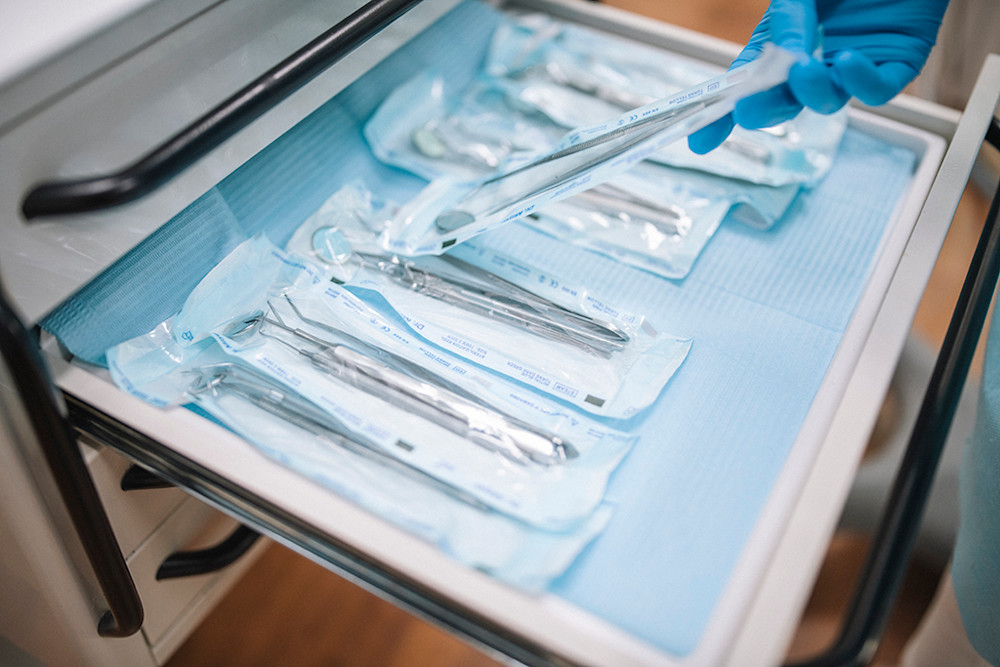

Safer, better, smarter packaging for medical devices

Learn how standards help to improve packaging in medical devices

Ensuring the sterilization of medical devices with standards
Article

Ensuring the sterilization of medical devices with standards

If you design, develop, produce, install or service any medical device you need to comply with the requirements set out in the relevant European Directives. A sterile product is one that is free of viable microorganisms. International sterilization standards for medical devices require when it is necessary to supply a sterile product item, that adventitious microbiological contamination of a medical device from all sources be minimized by all practical means. Even so, product items produced under standard manufacturing conditions in accordance with the requirements for quality management systems for medical devices (see, for example, BS EN ISO 13485) may, prior to sterilization, have microorganisms on them, albeit in low numbers. Such products are non-sterile. The purpose of sterilization processing is to inactivate the microbiological contaminants and thereby transform the non-sterile items into sterile ones. The inactivation of a pure culture of microorganisms by physical and/or chemical agents used to sterilize medical devices often approximates an exponential relationship; inevitably this means that there is always a finite probability that a microorganism may survive regardless of the extent of treatment applied. For a given treatment, the probability of survival is determined by the number and resistance of micro-organisms and by the environment in which the organisms exist during treatment. Therefore, the sterility of any one item in a batch of items subjected to sterilization processing cannot be guaranteed. So, in a batch of processed items, the sterility has to be defined in terms of the probability of the existence of a non-sterile item being included. To learn about clinical investigations for medical devices, click here. Sterilization Standard Requirements of the EU Medical Devices Regulation The European Medical Devices Regulation 2017/745 (MDR) presents requirements for sterile devices but does not provide a definition of the term ‘sterile’. Sterile devices are free of viable microorganisms. The BS EN 556 series of sterilization standards define requirements for designating devices as sterile. Parts 1 and 2 of BS EN 556 provide requirements for terminally sterilized devices and aseptically produced devices respectively. BS EN 556-1 is the European standard specifying requirements for designating a terminally-sterilized device as sterile. It has also been adopted in a number of countries outside Europe, for example, Australia and China. BS EN 556-1 specifies that a probability of a viable microorganism on a device of 10−6 or less (e.g. 10−7, et seq.) has to be achieved in order to designate a terminally sterilized medical device as sterile. The probability of survival of a single microorganism is also known as the sterility assurance level (SAL). What are the Key Sterilization Standards? BS EN ISO 11737-1 - Sterilization of health care products. Microbiological methods. Determination of a population of microorganisms on products This international standard helps users determine the success of sterilization by giving guidance on how to count and characterize microorganisms on health care products. BS EN ISO 11737-1 provides guidance on the enumeration and microbial characterization of the population of viable microorganisms on or in a health care product, component, raw material, or package. BS EN ISO 15882:2008 - Sterilization of health care products. Chemical indicators. Guidance for selection, use, and interpretation of results BS EN ISO 15882:2008 specifies guidance for the sterilization of health care products using chemical indicators. This includes guidance for selection, use, and interpretation of results. BS EN ISO 11135:2014+A1:2019 - Sterilization of health-care products. Ethylene oxide. Requirements for the development, validation, and routine control of a sterilization process for medical devices BS EN ISO 11135:2014+A1:2019 details how to develop, validate and reliably reproduce an ethylene oxide sterilization process for medical devices that has appropriate microbicidal activity. It describes requirements that, if met, will provide an ethylene oxide sterilization process with appropriate microbicidal activity intended to sterilize medical devices.  It addresses the need for quality systems, staff training, and proper safety measures. BS EN ISO 11607-1:2020+A1:2023 - Packaging for terminally sterilized medical devices. Requirements for materials, sterile barrier systems and packaging system The development and construction of packaging systems for terminally sterilized medical devices is complicated and critical to patient safety. BS EN ISO 11607-1:2020+A1:2023 specifies requirements and test methods for materials, preformed sterile barrier systems, sterile barrier systems, and packaging systems intended to maintain the sterility of terminally sterilized medical devices until the point of use. BS EN ISO 11607-2:2020+A1:2023 - Packaging for terminally sterilized medical devices. Validation requirements for forming, sealing and assembly processes This is the second of two international standards written to ensure that terminally sterilized medical device packaging allows sterilization, provides physical protection and maintains sterility to the point of use. BS EN ISO 11607-2:2020+A1:2023 looks at validation requirements for forming, sealing, and assembly processes.  These processes include forming, sealing, and assembly of preformed sterile barrier systems, sterile barrier systems, and packaging systems. There is no doubt that using standards can help you to effectively meet the sterilization requirements of your medical devices, building crucial trust between you and the rest of your supply chain. With a BSI Knowledge subscription, quality, risk management, and compliance are at your fingertips. Build your own custom collection of standards, or opt for access to our GBM05 Sciences & Health Care module for instant access to over 4,800 documents. Request to learn more. Sterilizing Equipment Standards The delivery of a validated and accurately controlled sterilization process is enabled by the use of sterilizing equipment that is designed, constructed, and installed to deliver the sterilization process safely and reproducibly.  BS EN ISO 17665 sets out the requirements to ensure best practice steam sterilization of medical equipment. By following this standard’s guidelines, the steam sterilization process is more likely to produce sterile medical instruments on treatment and improve overall quality control. Although BS EN ISO 17665 is limited to medical equipment, its requirements and guidelines can also be applied to other health care products. It’s important to remember that an accurately controlled sterilization process is not the only factor that ensures a product is sterile. Other sterilization equipment standards for particular sterilization processes include: Large steam sterilizers (BS EN 285) Small steam sterilizers (BS EN 13060) Ethylene oxide sterilizers (BS EN 1422) These standards will be of interest to medical device manufacturers and users of sterilizing equipment. Additionally, there are British Standards for steam sterilizers for aqueous fluids (BS 3970-2) and laboratory sterilizers (BS 2646) that may also be applicable to the processes of some manufacturers. Ensure the sterilization of your medical devices by adding these key sterilization standards to your collection today.Read more
Why sterile barrier systems for medical devices matter
Article

Why sterile barrier systems for medical devices matter

The integrity of medical device packaging plays a critical role in patient safety.  This is particularly true for devices that are terminally sterilized - that is, sterilized after being sealed within their packaging. The packaging must serve multiple functions: it must allow for sterilization, maintain sterility until use, and enable aseptic presentation during application. At the heart of this system is the sterile barrier system (SBS), the minimum packaging required to achieve those functions. Often in the form of pouches or bags, SBSs are partially pre-assembled and completed through sealing or final closure before sterilization. In addition, a layer of protective packaging surrounds the SBS to prevent physical damage, forming a complete packaging system for terminally sterilized devices. The packaging system must reliably ensure that medical devices remain sterile and undamaged from manufacturing through to the point of use. This requires rigorous control over manufacturing, packing, and sterilization processes - processes guided by two essential standards that were updated in 2023 to reflect evolving best practices. To discover more about how standards are supporting medical device manufacturers in bringing safe and compliant products to market, visit our Medical Devices topic page.  BS EN ISO 11607-1: Requirements for materials and design of sterile barrier systems BS EN ISO 11607-1:2019+A1:2023 Packaging for terminally sterilized medical devices – Part 1: Requirements for materials, sterile barrier systems and packaging systems is the first. It specifies requirements and test methods for materials, preformed sterile barrier systems, sterile barrier systems and packaging systems that are intended to maintain the sterility of terminally sterilized medical devices until the point of use. This document considers a wide range of potential materials, medical devices, packaging system designs and sterilization methods. The specific nature of the medical device, the intended sterilization method or methods, the intended use, expiry date, transport and storage all influence the packaging system design and choice of materials.  The standard can be used by suppliers of materials or of preformed sterile barrier systems, as well as by medical device manufacturers and healthcare facilities.  BS EN ISO 11607-2: Validation requirements for forming, sealing and assembly processes Meanwhile, BS EN ISO 11607-2:2019+A1:2023 Packaging for terminally sterilized medical devices - Part 2: Validation requirements for forming, sealing and assembly processes specifies requirements for the development and validation of processes for packaging medical devices that are terminally sterilized. These processes include the forming, sealing and assembly of preformed sterile barrier systems, sterile barrier systems and packaging systems. The development and validation of packaging processes are crucial to ensuring that the integrity of the sterile barrier system is maintained, and that the device remains sterile under documented storage and transport conditions until the system is opened.  Essentially BS EN ISO 11607-2:2019+A1:2023 provides a framework of activities and requirements that will develop and validate the process that’s used to assemble the packaging system. It can be used wherever medical devices are packaged and sterilized. A focus on risk management A significant enhancement in the 2023 amendments is the extended emphasis on risk management. Both standards now include a newly introduced annex specifically dedicated to risk considerations. This supports more comprehensive evaluation and mitigation of risks throughout packaging design, development, and validation stages. The inclusion of risk management ensures the standards remain aligned with modern regulatory expectations, such as those outlined in the EU Medical Device Regulation (MDR), and reinforces the critical role of packaging in maintaining sterility and, ultimately, protecting patient health. Ensure your packaging processes meet the latest international requirements. Purchase the updated BS EN ISO 11607-1 and BS EN ISO 11607-2 standards today to access the full guidance on materials, system design, and process validation. Discover BSI Knowledge Over 100,000 internationally recognized standards are available for simple and flexible access with a BSI Knowledge subscription. Build your own custom collection of standards or opt for access to one of our pre-built modules and keep up to date with any relevant changes to your standards strategy. Request to learn more.

Key Packaging Standard for Medical Devices

Trending Topics in Medical Device Packaging