Topic

Hospital equipment

Healthcare standards support the industry constantly adapt to the use of new medical equipment. It is extremely important for hospitals and other healthcare organizations maintain equipment efficiency to provide quality care and cut costs. Our medical equipment standards help hospitals to ensure they are implementing effective equipment management.

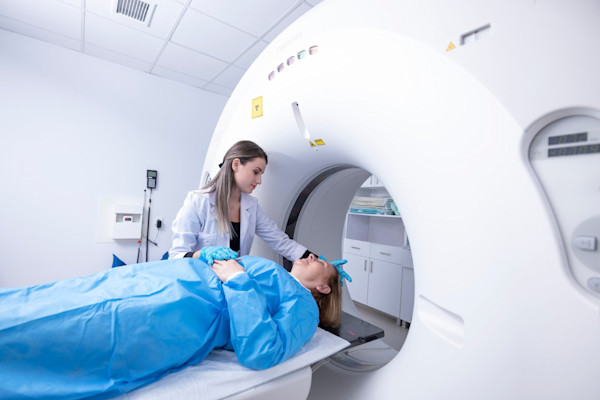
Ensuring compliance and quality care in hospital equipment

Learn how standards help hospitals to effectively manage their equipment

Meeting regulations with medical electrical equipment standards
Article

Meeting regulations with medical electrical equipment standards

The regulation of medical devices is a vast and rapidly evolving field that is often complicated by legal technicalities. If you design, develop, produce, install or service any medical device you need to comply with the requirements set out in the relevant European Directives. What is BS EN 60601? BS EN 60601 series is a group of standards that cover the safety, essential performance, and electromagnetic compatibility of medical electrical equipment and related systems. It is equivalent to the international standard EN 0601 and comprises over 70 individual standards. These start with BS EN 60601-1 ‘Part One’, which covers basic safety and essential performance for all medical electrical equipment, and then ‘Part Two’ or ‘Particular’ standards, which include the requirements for specific product groups (e.g. BS EN 60601-2-22 Medical electrical equipment. Particular requirements for basic safety and essential performance of surgical, cosmetic, therapeutic and diagnostic laser equipment). To read more on the topic of quality and risk management for medical devices, click here. Complying with BS EN 60601-1 BS EN 60601-1 applies to all medical electrical equipment and medical electrical systems. Medical electrical equipment is defined in the standard as electrical equipment, which: has an applied part – the part of the medical electrical equipment that, in normal use, necessarily comes into physical contact with the patient for the medical electrical equipment or system to perform its function transfers energy to or from the patient or detects such energy transfer to or from the patient. The medical electrical equipment should be provided with only one connection to a particular mains supply and the intended use, as described by the manufacturer, should be in the diagnosis, treatment, or monitoring of a patient, or to alleviate or compensate for disability, disease or injury. Examples of devices classed as medical electrical equipment include: Cardiac defibrillators High-frequency surgical equipment Infant incubators and warmers Medical lasers Patient monitors Patient ventilators Ultrasound equipment – diagnostic and therapeutic Other Key Medical Electrical Equipment Standards BS EN 60601-1-2:2015 Medical electrical equipment. General requirements for basic safety and essential performance. Collateral standard. Electromagnetic compatibility. Requirements and tests BS EN IEC 60601-2-16:2019 Medical electrical equipment. Particular requirements for the basic safety and essential performance of haemodialysis, haemodiafiltration, and haemofiltration equipment BS EN 60601-1-11:2015+A1:2021 Medical electrical equipment. General requirements for basic safety and essential performance. Collateral standard. Requirements for medical electrical equipment and medical electrical systems used in the home healthcare environment BS EN 60601-2-25:2015 Medical electrical equipment. Particular requirements for the basic safety and essential performance of electrocardiographs BS EN 60601-2-25:2015 Medical electrical equipment. Particular requirements for the basic safety and essential performance of electrocardiographs BS EN IEC 80601-2-26:2020 Medical electrical equipment. Particular requirements for the basic safety and essential performance of electroencephalographs BS EN 55011:2016+A11:2020 Industrial, scientific and medical equipment. Radio-frequency disturbance characteristics. Limits and methods of measurement There is no doubt that using standards can help you comply with the necessary regulations in the manufacturing of your medical equipment, building crucial trust between you and the rest of your supply chain. With a BSI Knowledge subscription, quality, risk management, and compliance are at your fingertips. Build your own custom collection of standards, or opt for access to our GBM05 Sciences & Health Care module for instant access to over 4,800 documents. Request to learn more. Ensure your electrical medical device complies with industry regulations by adding these standards to your collection today.Read more
How BS 30440 is powering safer, smarter NHS innovation
Article

How BS 30440 is powering safer, smarter NHS innovation

As artificial intelligence continues to reshape healthcare, the importance of responsible, safe, and standardized implementation has never been greater. BS 30440 - the British Standard for the validation framework of AI in healthcare - plays a critical role in achieving this. Two case studies from the NHS showcase how BS 30440 is being used to ensure trustworthy AI deployment in real-world clinical settings. NHS Lewisham and Greenwich: Smarter fracture detection with BS 30440 Faced with rising demand and stretched radiology resources, Lewisham and Greenwich NHS Trust embarked on a mission to integrate AI-powered fracture detection tools into its emergency services. Leveraging BS 30440 as the backbone of its implementation process, the trust conducted rigorous evaluations, including: A retrospective and shadow mode testing of two AI tools (Tool A and Tool B). A comprehensive clinical safety report and ethical impact assessments via the Z-Inspection Framework. Structured performance metrics, stakeholder engagement, and robust governance mechanisms. Key outcomes: Tool A showed superior performance with 97% accuracy, 93% sensitivity, and 98.8% specificity. BS 30440 ensured clinical safety, operational efficiency, and regulatory compliance from pilot to post-deployment monitoring. A structured point-based system and stakeholder sentiment surveys added transparency and trust. Lewisham and Greenwich NHS Trust also concluded that the BS 30440-aligned approach not only improves fracture detection processes but also offers a scalable model for structured AI assurance across other specialties—including dermatology, ophthalmology, outpatient departments (OPD), and pathology. The methodology enhances decision-making and risk management at a local level and contributes to building a more resilient and ethical AI landscape across the NHS. “Applying the BS 30440 framework in our comparative AI study has been transformative: not only in selecting the most clinically viable fracture detection tool for our service, but also in aligning our adoption process with safety, ethical, and regulatory best practices. The structured evaluation has strengthened confidence and provides excellent guidance and support to anyone embarking on the deployment of NHS AI applications, where the AI technologies are still evolving. As a result, patients will greatly benefit through faster diagnosis, fewer downstream imaging requests, and more efficient workflows. This framework has streamlined our deployment pathway and has the potential to expand this approach across more radiology implementations within our Trust and clinical specialities, such as OPD, dermatology, ophthalmology, and pathology, as well as the wider NHS, where AI is advancing rapidly but still needs thorough evaluation before adoption. I’m grateful to be part of BSI’s efforts to showcase this as a case study on the Knowledge Platform and hope it inspires other NHS organisations to embed structured AI assurance in their innovation strategies.” — Dr Sarojini David, Clinical Director of Radiology, AI Lead, Lewisham and Greenwich NHS Trust Read the full case study to explore the detailed evaluation process, performance metrics, and next steps planned for full-scale deployment. A London-wide framework: Scaling AI responsibly across integrated care systems Developed by NHS South East London in collaboration with all five London ICSs, this framework operationalizes BS 30440 to deliver AI projects safely and efficiently across a complex healthcare ecosystem. What sets this framework apart: A unified AI delivery lifecycle: from idea generation to proof of concept, pilot, scale, and monitoring. Mandated roles for AI Advisory and Coordination Leads across ICSs to foster collaboration and reduce duplication. Standardized tools including clinical safety (DCB160), ethical reflection templates, and model monitoring protocols. Emphasis on workforce and community engagement to build public trust and AI literacy. The framework goes beyond technology. It’s a blueprint for system-wide transformation driven by ethical, safe, and transparent AI integration. Dive into the full framework to see how London’s NHS is building a future-proof approach to AI in healthcare. Why BS 30440 matters? These case studies underscore why BS 30440 is not just a regulatory checkbox, but a strategic enabler for: reducing implementation risks; enhancing cross-sector collaboration; supporting procurement decisions; and and most importantly, improving patient outcomes. Want to follow in their footsteps? By embedding this standard into your organisation's AI journey, you're not just adopting technology, you're adopting trust, safety, and sustainability. Get you copy of BS 30440 today.
How BS 30417 is shaping the future of inclusive PPE
Article

How BS 30417 is shaping the future of inclusive PPE

Personal Protective Equipment (PPE) is one of the most fundamental aspects of workplace safety.   From hard hats and safety boots to respiratory protection and gloves, PPE stands as the frontline defence against hazards across a multitude of industries such as construction, healthcare, emergency services, agriculture, and manufacturing.   Yet, while PPE has long been a standard part of safety measures, one critical issue has been overlooked for decades: does everyone have access to PPE that fits?  The reality is stark. Too often, PPE is purchased / supplied for a mythical ‘average’ worker- traditionally a man of a certain size, shape, and build. This legacy approach to provision of PPE excludes large portions of the workforce, particularly women, people with disabilities, and individuals with specific ethnic, cultural or religious requirements. The result is equipment that doesn’t fit properly, reduces protection, and in some cases, introduces new risks rather than eliminating them.  The launch of BS 30417:2025 Provision of Inclusive PPE – Guide marks a turning point in tackling this issue head-on. This groundbreaking British Standard provides much-needed guidance to organizations, health and safety professionals, and employees, on how to ensure that PPE works for everyone, not just the mythical ‘average’ worker. By embedding inclusivity into PPE provision, it addresses not only safety but also wellbeing, belonging and performance in the workplace.  In this article, we’ll explore the background to the standard, why it matters now more than ever, and how organizations can lead much needed change in health and safety culture by adopting its principles.  What’s the opportunity beyond ‘one-size-fits-all’ workplace safety?  The idea that one-size-fits-all PPE can protect every worker has never reflected reality.   There is no such thing as an ‘average’ worker – everyone has differences be they physical, physiological, ethnic, cultural, or religious that impact our needs when it comes to PPE. Yet much of the PPE being provided in the workplace has historically been supplied with an ‘average male build’ in mind. This has left many workers inadequately protected, uncomfortable, or excluded.  But while this challenge is real, it also represents one of the biggest opportunities for employers, employees, health and safety professionals and many others to reshape workplace safety.  When PPE doesn’t fit:  Safety is compromised – ill-fitting PPE is not fit-for-purpose because correct fit is paramount to achieving expected protection.  Compliance drops – workers are less likely to wear PPE that is uncomfortable or that hinders their performance.  Job satisfaction and retention suffer – Anyone who isn’t the mythical ‘average’ worker may feel like they don’t matter or belong, leading to lower engagement and resignations, not just from the company, but from the profession entirely.  Performance suffers – poor fit is a barrier to being able to move and function fully and properly, which in turn lowers productivity and performance.  The scale of the issue is significant. Our Enabling the provision of inclusive PPE whitepaper highlights that the estimated annual cost of workplace injury and work-related ill health in 2021/22 was £20.7 billion. Meanwhile, a 2017 Trade Union Congress (TUC) report found that 57% of women reported poorly fitting PPE sometimes or significantly hampered their work.  Together, these figures make clear that this is not just a problem to fix, but an opportunity to unlock:  Safer workplaces where everyone feels equally protected.  Higher compliance with safety protocols.  Stronger performance, productivity and wellbeing.  Better talent acquisition and retention and sustainability.  By addressing the shortcomings of one-size-fits-all PPE provision, organizations can seize the opportunity to redefine safety culture in a way that values every employee and reap the benefits of a healthier, more engaged, and more effective workforce. Introducing BS 30417: Provision of inclusive PPE - Guide.  BS 30417:2025 is the first British Standard of its kind dedicated to inclusive PPE provision.   Rather than setting manufacturing specifications or performance testing criteria, this standard provides practical guidance on how to select, procure, and provide PPE that accommodates the diversity of the workforce.  Key aspects of BS 30417 include:  Selection and provision: Guidance on choosing PPE that accounts for things such as physical, physiological, cultural, religious, ethnic, accessibility needs.  Supplier evaluation: Recommendations for developing specifications and working with suppliers who offer wider, more inclusive product ranges.  Fit and ergonomics: Considerations for ensuring PPE is safe, comfortable, and compatible with a range of users.  Maintenance and training: Best practices for maintaining inclusive PPE and training users to wear and manage it properly.  Workplace integration: Support for embedding inclusivity into broader safety policies and practices.  In short, BS 30417 does not ask organizations to reinvent PPE but instead to rethink how it is chosen, provided, and supported, ensuring all workers have access to equipment that equally protects them.  Why inclusive PPE matters to your organization now  The timing of BS 30417:2025 could not be more relevant. Several factors make the call for inclusive PPE urgent:  1. An evolving workforce  Today’s workplaces are not what they used to be; they are ever more diverse and workforces with very different expectations. Women make up nearly half of the global workforce, and increasing attention is rightly being paid to the inclusion of disabled workers, minority groups, and individuals from varied cultural backgrounds. PPE designed for a narrow demographic no longer reflects the reality of modern employment.  2. Legal and regulatory obligations  UK and EU regulations already require that employers provide suitable PPE to all employees. Workers also have the right to be safe and to be protected from discrimination. BS 30417 provides organizations with a roadmap to meet these legal obligations and avoid compliance failures.  3. Culture and belonging  Workplace culture and belonging are increasingly important factors in attracting and retaining top talent. BS 30417 helps organizations improve their health and safety culture and practices in a way that makes all employees feel they belong and are valued.  4. Competition and resilience  Providing inclusive PPE will not only help employee engagement, but it will also improve performance and productivity - thus help organizations remain competitive. Inclusive PPE will also support retention of diverse talent. The research is clear: more diverse organizations perform better financially helping make them more resilient.  5. ESG (Environment Social Governance)  Organizations are increasingly being scrutinized for their ESG credentials by current and future talent as well as by clients, customers and suppliers. Providing inclusive PPE will help improve organizations’ impact in all three areas by improving employee health, safety, wellbeing and belonging,  and reducing waste by eliminating PPE going unused because it does not fit.  Explore our Workplace Culture topic page to discover practical guidance that strengthens workplace culture, enhances safety, and fosters an inclusive environment where everyone can thrive.  Who should use BS 30417?  The standard is designed for a wide audience, each with a unique role to play in making PPE inclusive:  Employers & HR Managers – to develop safety equipment policies that ensure PPE meets the needs of all employees.  Health & Safety Officers – to evaluate risks and introduce better-fitting, more suitable PPE.  Procurement Teams – to make informed supplier decisions that prioritize inclusivity.  PPE Manufacturers & Designers – to proactively help clients make more inclusive PPE selection and to help them understand the needs of a wider market.  Trade Unions & Worker Advocates – to campaign for equal access to fit-for-purpose protective equipment.  Occupational Health Professionals – to support worker wellbeing by ensuring appropriate PPE provision.  Industry Regulators & Compliance Bodies – to align with health and safety laws.  Employees (PPE Wearers) – to enable and empower speaking up about ill-fitting PPE  In short, if you are involved in selecting, buying, fitting, maintaining or using PPE or influencing PPE policies and provision, this standard is for you.  The bigger picture: An inclusive safety culture  At its heart, BS 30417:2025 is about more than equipment. It is about changing safety culture in the workplace. Providing inclusive PPE sends a clear message to every employee: you matter, your safety matters, and your wellbeing matters.  By ensuring that protective equipment is accessible and functional for all, organizations can:  Break down barriers to participation.  Increase compliance with safety protocols.  Foster greater trust between workers and management.  Improve overall workplace morale and performance.  The benefits ripple outward: safer, more inclusive workplaces lead to higher retention, better performance, stronger reputations, and a workforce that feels valued and empowered.   BS 30417 challenges organizations to look beyond the status quo, take bold steps toward safety inclusivity and lead the change. Those that act now will position themselves at the forefront of safety innovation, employee care, and corporate responsibility.  Every worker deserves PPE that fits, protects, and enables them. Download your free copy of BS 30417:2025 today and join the movement to make workplace safety truly inclusive.
BS EN 14683:2025: The updated medical face mask standard explained
Article

BS EN 14683:2025: The updated medical face mask standard explained

Medical face masks are a critical component of infection prevention in healthcare settings. They help to limit the transmission of infectious agents from healthcare staff to patients, playing a key role in surgical and clinical environments. To ensure they meet the highest performance, safety, and regulatory standards, BS EN 14683:2025 Medical face masks - Requirements and test methods has been revised to reflect the latest international knowledge, technological advancements, and regulatory requirements. This revision not only strengthens testing and performance requirements but also incorporates new considerations for transparent masks, sustainability, and manufacturing processes. These updates align with Medical Device Regulation (EU) 2017/745, ensuring compliance across European markets. For manufacturers, healthcare institutions, procurement professionals, and testing laboratories, understanding these updates and adapting accordingly is essential to ensure compliance and maintain market competitiveness. What is BS EN 14683 and why is it important? BS EN 14683 is a European standard that specifies the design, construction, performance, and testing requirements for medical face masks used in surgical and clinical settings. These masks act as a barrier against infectious agents, protecting both patients and healthcare workers. For users of the standard, it provides clear guidelines and performance benchmarks to ensure medical face masks are safe, effective, and compliant with regulatory requirements.  It helps manufacturers design and test products, procurement teams assess quality for contracts and tenders, and healthcare providers select masks that meet infection control standards. By standardizing key requirements like bacterial filtration, breathability, and microbial cleanliness, BS EN 14683 ensures consistency and reliability across the industry. Discover how standards support safety, quality and effective equipment and service provision throughout the healthcare sector by visiting our Healthcare topic page. What are the changes to BS EN 14683? BS EN 14683:2025 is the latest edition of the standard. It has been revised to ensure clarity, performance enhancement, and broader market acceptance. One of the most notable future changes outlined in Annex E is the proposed removal of Type I medical face masks in the next revision. Healthcare organizations and manufacturers should begin evaluating their current mask offerings to prepare for this transition. Additionally, as reusable masks gain more attention, this standard provides a framework for future sustainable innovations in medical face protection. Other significant updates include: 1. Improved testing and performance criteria for medical face masks Microbial cleanliness test completely revised to provide more detailed and reliable results. Refined bacterial filtration efficiency (BFE) test methodology for greater accuracy. Updated breathability test now includes a formula for airflow calculation. 2. Enhanced inclusion and accessibility for medical face masks New requirements for transparent medical face masks to improve communication for deaf and elderly patients. Clearer design guidelines to ensure masks meet both functional and accessibility needs. 3. Stronger manufacturing and documentation processes for medical face masks New clause on manufacturing and processing requirements to improve quality control. Updated documentation requirements to ensure traceability and regulatory compliance. 4. Greater focus on the sustainability of medical face masks New annex on environmental impact, supporting eco-friendly manufacturing practices. Formal recognition of reusable medical face masks, promoting circular economy initiatives. 5. Regulatory alignment and market access Now aligned with Medical Device Regulation (EU) 2017/745, ensuring market compliance. Updated Annex ZA for harmonization, making it easier for manufacturers to demonstrate conformity. The changes introduced in BS EN 14683:2025 mark a significant step toward greater safety, accessibility, and sustainability in medical face masks. Those affected by these updates should act now to align with the new requirements, ensuring continued compliance, market access, and commitment to high-quality healthcare solutions. Stay compliant and ensure the highest standards of safety, quality, and sustainability in medical face masks. Get your copy of BS EN 14683:2025 today and stay ahead of regulatory changes.

Key Hospital Equipment Standards

Trending Topics in Hospital Equipment