Topic

Healthcare services

Healthcare standards are supporting the healthcare service industry as it undergoes a massive change. With consumer needs changing and demands for a more flexible provision of heathcare growing, the industry is adapting to new healthcare service innovations. From the rise of home healthcare services, to increased digital adoption, healthcare standards are supporting healthcare organizations prioritize safety and quality across all their services.

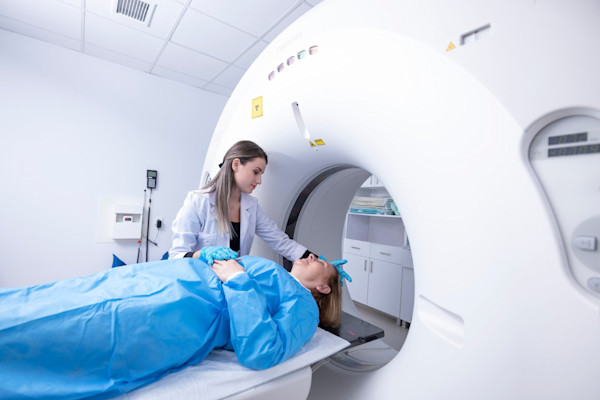
Transforming the provision of healthcare services

Explore how standards embed excellence in healthcare services

BS 8684: Ensuring safe, effective, and person-centred TEC services
Article

BS 8684: Ensuring safe, effective, and person-centred TEC services

As more people rely on technology enabled care (TEC) to maintain their independence and well-being, the need for consistent and reliable standards has become increasingly evident. Enter BS 8684:2024, the UK’s first comprehensive standard dedicated to the delivery of TEC services. An estimated 1.8 million people in the UK currently use telecare services. TEC has become a cornerstone of modern care delivery, offering solutions that empower individuals to live independently, safely, and with dignity. From remote monitoring devices to emergency alert systems, it provides invaluable support to millions of people, particularly those who are elderly, disabled, or living with chronic conditions. However, the rapid expansion of TEC has also highlighted significant challenges, including inconsistencies in service delivery, varying levels of safety, and a lack of person-centred approaches. Introducing the first standard for technology enabled care Until now, standardization within the TEC sector has primarily focused on the products themselves—such as devices and alarms—rather than the comprehensive service chain that connects these products to the end users. This gap has led to fragmented service delivery, with inconsistent practices in risk assessments, installation, maintenance, and information sharing. These inconsistencies not only compromise the quality of care but also put vulnerable users at risk. BS 8684:2024 Technology enabled care – Assessment of user needs and risks, system design, installation and maintenance – Code of practice was developed to address these challenges. It provides a much-needed framework that standardizes the design, installation, maintenance, and overall delivery of TEC services. By setting clear guidelines and best practices, this standard aims to ensure that TEC solutions are safe, effective, and truly person-centred. Discover how standards support the provision of healthcare services by visiting our Healthcare Industry page. What is the scope of BS 8684? BS 8684 is a comprehensive standard that covers the entire spectrum of technology enabled care services, focusing on the critical aspects of user assessment, system design, installation, and ongoing maintenance.  The standard is intended for use by a wide range of stakeholders in the care sector, including: Care commissioners: those responsible for procuring and overseeing TEC services. Service providers: organizations delivering TEC services to end users. Housing providers: entities integrating TEC solutions into residential settings.  Installers and maintenance professionals: those responsible for the physical installation and upkeep of TEC devices. Local authorities: government bodies that play a key role in commissioning, regulating, and ensuring the delivery of high-quality TEC services to meet the needs of their communities. The standard outlines recommendations for: Person-centred assessments: ensuring that TEC solutions are tailored to the specific needs and risks of each individual user. Selection and installation of connected products: providing guidelines on choosing the right technology and ensuring it is correctly installed. Maintenance and decommissioning: offering best practices for the ongoing upkeep of TEC devices and their safe removal when no longer needed. Information sharing: emphasizing the importance of clear communication and data sharing among all parties involved in the TEC service chain, including the Alarm Receiving Centre (ARC). Data processing and consent: establishing protocols for the ethical handling of user data, with a focus on privacy and security. What are the benefits of using BS 8684? The primary beneficiaries of BS 8684 are the individuals who rely on technology enabled care to live independently and safely. By adopting this standard, care providers and commissioners can ensure that the TEC services they deliver are not only high-quality but also deeply aligned with the needs and preferences of users. Key benefits include: Enhanced safety and reliability: BS 8684 ensures that all aspects of TEC service delivery are standardized, reducing the risk of errors and inconsistencies that could compromise user safety. From thorough risk assessments to proper installation and maintenance, the standard provides a safety net that protects vulnerable individuals. Person-centred care: one of the core principles of BS 8684 is the emphasis on tailoring TEC services to the unique needs of each user. This person-centred approach ensures that the technology is not only effective but also enhances the individual’s quality of life by supporting their independence and well-being. Improved coordination and communication: the standard promotes better collaboration among all stakeholders involved in the TEC service chain. By ensuring that everyone, from commissioners to service providers to installers, is working from the same playbook, BS 8684 fosters a more cohesive and efficient service delivery model. Greater confidence and trust: For users and their families, knowing that their TEC services are governed by a rigorous standard like BS 8684 provides peace of mind. It reassures them that the technology they depend on is safe, reliable, and fit for purpose. Support for independent living: by ensuring that TEC solutions are appropriately assessed, selected, and maintained, BS 8684 helps users live independently in their own homes for as long as possible, reducing the need for more intensive care interventions. Be at the forefront of technology enabled care solutions. Get your copy of BS 8684:2024 here.Read more
How BS 30440 is powering safer, smarter NHS innovation
Article

How BS 30440 is powering safer, smarter NHS innovation

As artificial intelligence continues to reshape healthcare, the importance of responsible, safe, and standardized implementation has never been greater. BS 30440 - the British Standard for the validation framework of AI in healthcare - plays a critical role in achieving this. Two case studies from the NHS showcase how BS 30440 is being used to ensure trustworthy AI deployment in real-world clinical settings. NHS Lewisham and Greenwich: Smarter fracture detection with BS 30440 Faced with rising demand and stretched radiology resources, Lewisham and Greenwich NHS Trust embarked on a mission to integrate AI-powered fracture detection tools into its emergency services. Leveraging BS 30440 as the backbone of its implementation process, the trust conducted rigorous evaluations, including: A retrospective and shadow mode testing of two AI tools (Tool A and Tool B). A comprehensive clinical safety report and ethical impact assessments via the Z-Inspection Framework. Structured performance metrics, stakeholder engagement, and robust governance mechanisms. Key outcomes: Tool A showed superior performance with 97% accuracy, 93% sensitivity, and 98.8% specificity. BS 30440 ensured clinical safety, operational efficiency, and regulatory compliance from pilot to post-deployment monitoring. A structured point-based system and stakeholder sentiment surveys added transparency and trust. Lewisham and Greenwich NHS Trust also concluded that the BS 30440-aligned approach not only improves fracture detection processes but also offers a scalable model for structured AI assurance across other specialties—including dermatology, ophthalmology, outpatient departments (OPD), and pathology. The methodology enhances decision-making and risk management at a local level and contributes to building a more resilient and ethical AI landscape across the NHS. “Applying the BS 30440 framework in our comparative AI study has been transformative: not only in selecting the most clinically viable fracture detection tool for our service, but also in aligning our adoption process with safety, ethical, and regulatory best practices. The structured evaluation has strengthened confidence and provides excellent guidance and support to anyone embarking on the deployment of NHS AI applications, where the AI technologies are still evolving. As a result, patients will greatly benefit through faster diagnosis, fewer downstream imaging requests, and more efficient workflows. This framework has streamlined our deployment pathway and has the potential to expand this approach across more radiology implementations within our Trust and clinical specialities, such as OPD, dermatology, ophthalmology, and pathology, as well as the wider NHS, where AI is advancing rapidly but still needs thorough evaluation before adoption. I’m grateful to be part of BSI’s efforts to showcase this as a case study on the Knowledge Platform and hope it inspires other NHS organisations to embed structured AI assurance in their innovation strategies.” — Dr Sarojini David, Clinical Director of Radiology, AI Lead, Lewisham and Greenwich NHS Trust Read the full case study to explore the detailed evaluation process, performance metrics, and next steps planned for full-scale deployment. A London-wide framework: Scaling AI responsibly across integrated care systems Developed by NHS South East London in collaboration with all five London ICSs, this framework operationalizes BS 30440 to deliver AI projects safely and efficiently across a complex healthcare ecosystem. What sets this framework apart: A unified AI delivery lifecycle: from idea generation to proof of concept, pilot, scale, and monitoring. Mandated roles for AI Advisory and Coordination Leads across ICSs to foster collaboration and reduce duplication. Standardized tools including clinical safety (DCB160), ethical reflection templates, and model monitoring protocols. Emphasis on workforce and community engagement to build public trust and AI literacy. The framework goes beyond technology. It’s a blueprint for system-wide transformation driven by ethical, safe, and transparent AI integration. Dive into the full framework to see how London’s NHS is building a future-proof approach to AI in healthcare. Why BS 30440 matters? These case studies underscore why BS 30440 is not just a regulatory checkbox, but a strategic enabler for: reducing implementation risks; enhancing cross-sector collaboration; supporting procurement decisions; and and most importantly, improving patient outcomes. Want to follow in their footsteps? By embedding this standard into your organisation's AI journey, you're not just adopting technology, you're adopting trust, safety, and sustainability. Get you copy of BS 30440 today.
BS ISO 7101: A blueprint for quality management in healthcare
Article

BS ISO 7101: A blueprint for quality management in healthcare

In an era where healthcare systems worldwide are facing a host of complex challenges, the introduction of BS ISO 7101 - the first international consensus standard for healthcare quality management – provides an opportunity for actionable transformation. From diminishing financial resources and shortages in the workforce to escalating rates of chronic diseases and insufficient data for informed decision-making, healthcare organizations globally have encountered substantial challenges over recent years. Serving as the first international standard for healthcare quality management, BS ISO 7101:2023 Healthcare organization management. Management systems for quality in healthcare organizations. Requirements addresses these challenges head-on. This document provides a universal set of requirements applicable to any healthcare system, organization, or entity seeking to elevate the quality of its healthcare services. What is BS ISO 7101? BS ISO 7101 establishes a roadmap for healthcare organizations to adopt a systematic approach towards sustainable, high-quality health systems. It outlines a comprehensive framework to enhance the quality of healthcare delivery and care outcomes. The standard includes a set of essential requirements designed to guide organizations of varying scales, structures, and regions. These include: the creation of a culture of quality, embracing people-centered care, risk identification and management, ensuring patient and workforce safety, controlling service delivery through documented processes, and continual monitoring and improvement of performance. Want to learn more about how standards are supporting the healthcare sector? Discover our Healthcare industry page. Why should your healthcare organization use BS ISO 7101? Implementing BS ISO 7101 is a strategic move for healthcare organizations. The standard encourages evidence-based methods, transparency, and a culture that prioritizes quality. While it necessitates some documentation, its primary objective is to establish transparent processes without burdening organizations with excessive administrative tasks. BS ISO 7101 provides flexibility, making it applicable to diverse healthcare providers, from small clinics to large hospitals. Conformity can be demonstrated through various means, including self-declaration, seeking confirmation from interested parties, or obtaining certification from an external organization. Successful implementation signals to stakeholders that an effective healthcare quality management system is in place. What are the benefits of using BS ISO 7101? BS ISO 7101 is not just a set of requirements, it is a tool for navigating the complexities of modern healthcare. As the world experiences a surge in virtual healthcare and technological advances, the standard emphasizes the importance of timely, safe, and people-centered care. The benefits its application can bring include: Improved quality of healthcare delivery. Improved patient safety. Increased planning for sustainable healthcare service delivery. Enhanced operational effectiveness and cost-efficiency. A strengthened reputation with an extended market reach. These outcomes not only contribute to the well-being of patients, but also can position your healthcare organization as a reliable and high-quality service provider in a competitive market. It equips your business to adapt to these changes, ensuring that you continue to provide high-quality care, even in the face of global pandemics and evolving healthcare landscapes. Ensure your healthcare business is reaping the benefits of managing quality effectively. Download BS ISO 7101 today.
Adapt and grow: Increasing opportunities with BS EN ISO 9001
Article

Adapt and grow: Increasing opportunities with BS EN ISO 9001

Discover how implementing our BS EN ISO 9001 Quality management systems standard enabled Fairford Medical to greatly increase their client base, establish themselves as reputable company within the healthcare sector, and demonstrate their commitment to providing high quality medical equipment. Operating all over the UK, Fairford Medical provide the most cost-effective and suitable transportable Tier 1 Medical Imaging technology for the benefit of private and NHS Medical Imaging departments, veterinarians, and research scientists. Their necessity to meet the NHS Framework requirements was the driving force in Fairford Medical’s decision to invest time and money into adopting BS EN ISO 9001’s quality management processes. The standard proved to be a vital key to unlocking access to greater business opportunities, which would help the company to grow strategically. BS EN ISO 9001 Quality management systems as a solution BS EN ISO 9001 offered Fairford Medical a clear way to demonstrate to their clients their commitment to providing trustworthy medical equipment. Its processes could be adapted to meet their needs as a small, growing business, helping to organize every element of their operations to become more efficient and organized. “Through adopting BS EN ISO 9001 we can demonstrate to our customers and suppliers that we are committed to the quality, products, and services of our business.’ - Maria Cooksey, Chief Operating Officer at Fairford Medical Since adopting the BS EN ISO 9001 framework in 2019, their investment in quality management standardization allowed them to effectively adapt their operations to be more efficient even in the face of unforeseen challenges, such as the recent COVID-19 pandemic. But don’t just take our word for it. Discover their journey with BS EN ISO 9001: To read more about their experience, you can also download the Fairford Medical case study here. Discover BSI Knowledge BS EN ISO 9001 and over 100,000 more internationally recognized standards are available for simple and flexible access with a BSI Knowledge subscription.  In your quality-critical industry, our tailored subscription service puts control in your hands, with traceability to monitor and demonstrate your business's access to standards. Build your own custom collection of standards or opt for access to one of our pre-built modules and keep up to date with any relevant changes to your standards strategy. Request to learn more.

Key Healthcare Services Standards

Trending Topics in Healthcare Services